
Ice Cave Helicopter Tour
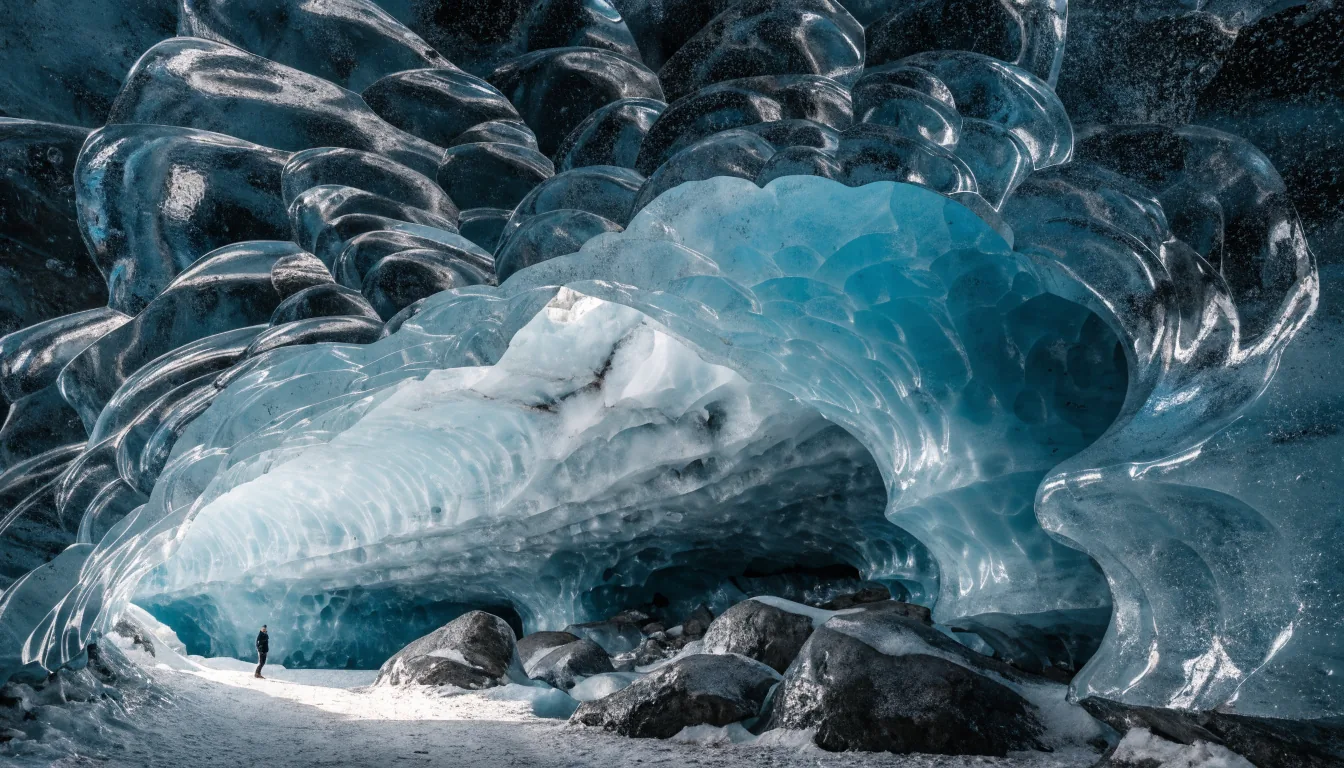
Venture inside stunning blue ice caves hidden beneath Whistler's glaciers. A rare and unforgettable experience in the Coast Mountains.
Few experiences compare to stepping inside an ice cave. These natural wonders form beneath glaciers where meltwater carves intricate tunnels and chambers through ancient ice. In Whistler, British Columbia, our helicopter ice cave tours take you to remote glacial formations that are impossible to reach on foot. You will fly over the Coast Mountains, land near a glacier, and explore these crystalline blue worlds with expert guides.
The ice caves of Whistler are constantly changing. Each season brings new formations, new tunnels, and new perspectives. Some caves are vast chambers large enough to stand in, while others are narrow passages that require careful navigation. The ice itself ranges from deep sapphire blue to translucent white, creating a photographer's paradise. This is one of the most unique adventures available in Western Canada.
How Ice Caves Form in Whistler's Glaciers
Ice caves are natural formations that develop within glaciers through a combination of melting, water flow, and pressure. In Whistler's Coast Mountains, glaciers like the Fitzsimmons Glacier and Overlord Glacier contain extensive cave systems that form during the summer months.
The process begins when surface meltwater flows into crevasses and moulins (vertical shafts) in the glacier. This water then travels through the ice, following paths of least resistance. As it flows, it gradually melts the surrounding ice, creating tunnels and chambers. The water eventually exits at the glacier's terminus, but the caves remain—often expanding year after year.
The distinctive blue color of glacial ice comes from the way light interacts with dense, compressed ice. Blue wavelengths penetrate deeper than other colors, giving the ice its characteristic sapphire hue. In caves, where light filters through the ice walls, this effect is particularly striking. The deeper you venture, the more intense the blue becomes.
These formations are temporary by geological standards. As glaciers retreat due to climate change, some caves collapse while new ones form in different locations. This makes each ice cave tour a unique experience—the cave you explore today may look completely different next season, or it may no longer exist. This ephemeral nature adds to the adventure's appeal.
What to Expect on Your Ice Cave Tour
Our ice cave helicopter tours combine aerial sightseeing with ground exploration. The experience typically lasts three to four hours, including flight time, ground exploration, and safety briefings.
Helicopter Flight to the Glacier
Your adventure begins with a scenic helicopter flight from our Whistler helipad. The pilot will fly you over alpine forests, glacial valleys, and snow-capped peaks, providing commentary about the landscape below. You will see the glacier from above before landing on a safe, stable area near the cave entrance.
Flight time varies depending on which glacier we visit, typically ranging from 15 to 25 minutes each way. The route is chosen based on current conditions and cave accessibility.
Safety Briefing and Equipment
Before entering any ice cave, your guide will provide a comprehensive safety briefing. This covers proper footwear techniques, how to navigate uneven ice surfaces, and what to do in the unlikely event of an emergency. Safety is our top priority, and we never enter caves that show signs of instability.
We provide helmets, headlamps, and ice cleats (crampons) for all participants. Your guide will help you fit this equipment properly and demonstrate how to use it. If you have any concerns or questions, this is the time to ask.
Guided Cave Exploration
Once inside the cave, your guide will lead you through the main passages, pointing out interesting formations, explaining the geology, and ensuring everyone stays safe. Exploration time inside the caves typically lasts 45 to 90 minutes, depending on the cave's size and your group's pace.
You will have opportunities to take photographs, ask questions, and simply marvel at the natural beauty around you. Some caves feature multiple chambers connected by narrow passages, while others are single large rooms. Each cave has its own character and unique features.
What You'll See Inside the Ice Caves
Every ice cave is unique, but there are common features you can expect to encounter during your exploration.
Ice Formations
The walls, ceilings, and floors of ice caves feature intricate formations created by water flow and freezing cycles. You may see ice stalactites hanging from ceilings, smooth polished surfaces where water has flowed, and textured patterns that reveal the glacier's internal structure.
Light and Color
Natural light filtering through the ice creates stunning visual effects. In some caves, sunlight enters through crevasses above, creating shafts of light that illuminate the blue ice. The color intensity varies throughout the day and season, making each visit unique.
Glacial Features
Inside the caves, you can observe features that reveal how glaciers move and flow. Striations, layers, and bands in the ice tell the story of the glacier's history. Your guide will explain what these features mean and how they formed.
Water Features
Many ice caves contain streams or pools of meltwater. These can range from small trickles to larger flows. Some caves feature underground waterfalls where water cascades through openings in the ice. The sound of flowing water adds to the cave's atmosphere.
Safety Considerations for Ice Cave Tours
Ice cave exploration involves inherent risks, and we take safety seriously. All tours are led by experienced guides who are trained in glacier travel, ice cave navigation, and emergency procedures.
Our Safety Standards
- • All guides hold current certifications in wilderness first aid and glacier travel
- • We assess cave stability before every tour and avoid caves showing signs of danger
- • Group sizes are limited to ensure proper supervision and safety
- • We provide all necessary safety equipment including helmets and ice cleats
- • Weather conditions are monitored continuously, and tours may be modified or cancelled if conditions deteriorate
Ice caves are dynamic environments. They can change shape, size, and stability over time. We never enter caves that show signs of recent collapse, excessive water flow, or structural instability. Your guide will assess conditions on arrival and make real-time decisions about which areas are safe to explore.
Participants must be in reasonable physical condition. While you do not need to be an athlete, you should be able to walk on uneven, sometimes slippery surfaces while wearing ice cleats. The terrain inside caves can be challenging, with steps, narrow passages, and areas where you may need to crouch or crawl.
If you have mobility limitations, medical conditions, or concerns about your ability to participate, please discuss this with us when booking. We can provide additional information about what to expect and help determine if an ice cave tour is appropriate for you. Your safety and enjoyment are our priorities.
Photography Tips for Ice Caves
Ice caves offer incredible photography opportunities, but the low light and unique conditions require some preparation. Here are tips to help you capture stunning images.
Camera Equipment
Bring a camera that performs well in low light. DSLR or mirrorless cameras with manual controls work best, but modern smartphones can also produce excellent results. Consider bringing a tripod or monopod for stability, though space inside caves can be limited.
Lighting Considerations
Natural light in ice caves is often limited and directional. Use your headlamp strategically to illuminate specific features, but be mindful not to overexpose the ice. Experiment with different angles and positions to find the best lighting for each shot.
Camera Settings
Use a wide aperture (low f-stop) to let in more light and create depth of field. Increase your ISO as needed, but be aware that higher ISO settings can introduce noise. Shutter speeds may need to be slower, so keep your camera steady or use a tripod.
Composition
Look for interesting angles, leading lines created by cave passages, and contrasts between light and shadow. Include people in your shots for scale—this helps convey the cave's size. Capture both wide shots showing the overall space and close-ups of interesting ice formations.
Remember that photography should not slow down the group or compromise safety. Your guide will let you know when it is safe to stop for photos and when you need to keep moving. Be prepared to take quick shots and move on, especially in narrow passages.
Tour Duration and Seasonal Availability
Ice cave tours are available during specific times of year when conditions are optimal for both safety and exploration.
Tour Duration
Total tour time is approximately three to four hours, including:
- • 15-20 minutes: Check-in and safety briefing at helipad
- • 15-25 minutes: Helicopter flight to glacier (each way)
- • 45-90 minutes: Guided ice cave exploration
- • 15-20 minutes: Return flight to Whistler
Actual times may vary based on weather, cave conditions, and group size. We always prioritize safety over schedule, so tours may run slightly longer if conditions require extra caution.
Best Seasons
Ice cave tours operate primarily during late spring through early autumn (typically May through October), when:
- • Surface snow has melted, revealing cave entrances
- • Temperatures are moderate, making exploration comfortable
- • Daylight hours are longer, providing better visibility
- • Weather conditions are generally more stable
Winter tours are generally not available because cave entrances are buried under snow and conditions are too hazardous. Peak season is July and August, when conditions are most favorable and caves are most accessible.
Difficulty Level and Physical Requirements
Ice cave tours are rated as moderate difficulty. While you do not need mountaineering experience, you should be prepared for some physical challenges.
Physical Demands
You will need to walk on uneven, sometimes slippery ice surfaces while wearing ice cleats. Some caves require crouching, crawling through narrow passages, or navigating small steps. The terrain can be challenging but is manageable for most active adults. If you have knee, back, or mobility issues, please discuss this with us before booking.
Altitude Considerations
Ice caves are located at high elevations, typically between 6,000 and 8,000 feet above sea level. While the helicopter does most of the climbing for you, some people may experience mild altitude effects. If you have concerns about altitude, consult with your physician before participating.
Age Restrictions
We welcome participants of all ages, but children under 12 must be accompanied by an adult and should be able to follow safety instructions. Children must be able to walk independently on uneven surfaces. Please contact us to discuss whether an ice cave tour is appropriate for younger children.
What to Wear for Your Ice Cave Tour
Proper clothing is essential for comfort and safety during your ice cave adventure. Even in summer, temperatures inside caves can be near freezing, and conditions can change quickly.
Essential Clothing
- • Warm base layers (merino wool or synthetic)
- • Insulating mid-layer (fleece or down jacket)
- • Waterproof and windproof outer shell
- • Warm hat and gloves
- • Thick wool or synthetic socks
Footwear
- • Sturdy, waterproof hiking boots with good ankle support
- • Boots should be broken in and comfortable
- • We provide ice cleats (crampons) that attach to your boots
- • Avoid running shoes or fashion boots
Additional Items to Bring
- • Sunglasses (bright sun and snow glare)
- • Sunscreen (UV exposure is high at altitude)
- • Camera or smartphone
- • Small backpack for personal items
- • Water bottle
- • Snacks (optional, but recommended)
We provide helmets, headlamps, and ice cleats for all participants. You do not need to bring these items unless you prefer your own equipment.
Related Helicopter Experiences
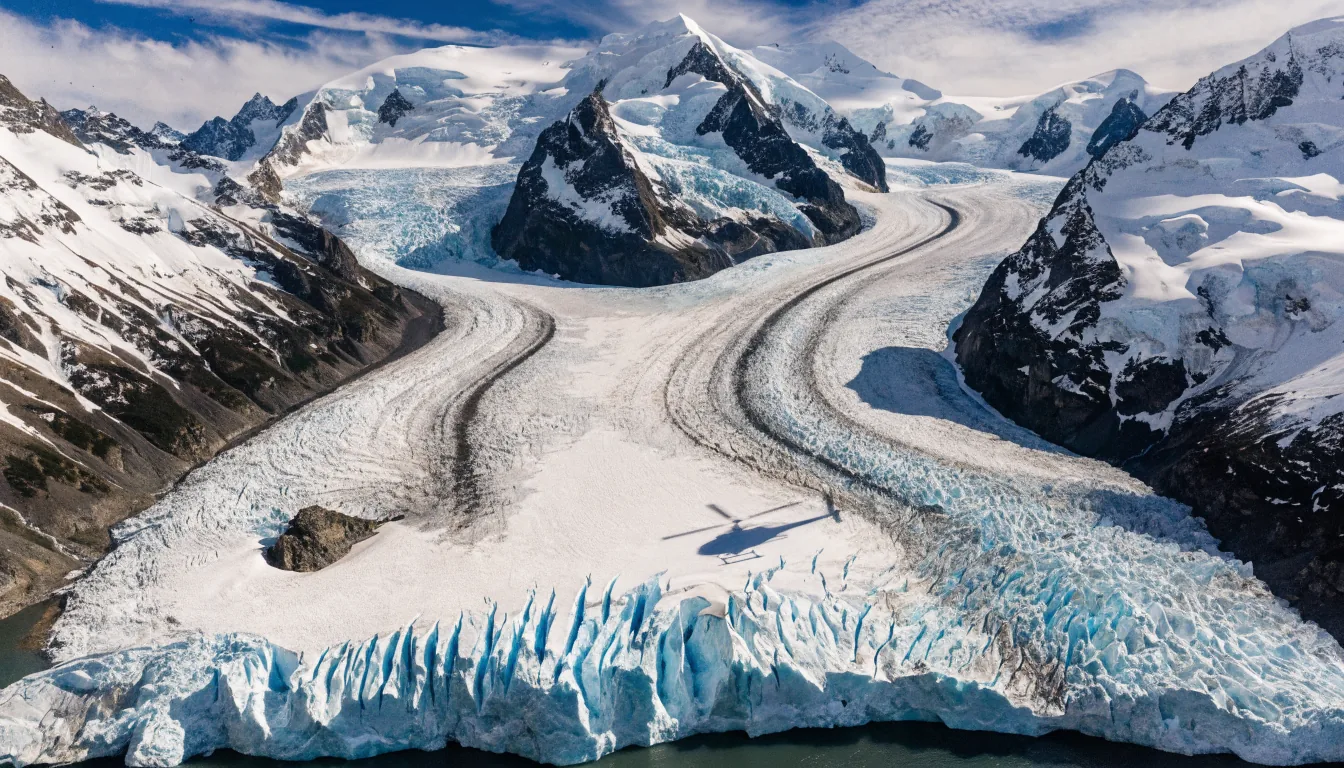
Glacier Tour
Fly over ancient glaciers and land on ice fields in the Coast Mountains. Perfect complement to an ice cave adventure.
Learn more →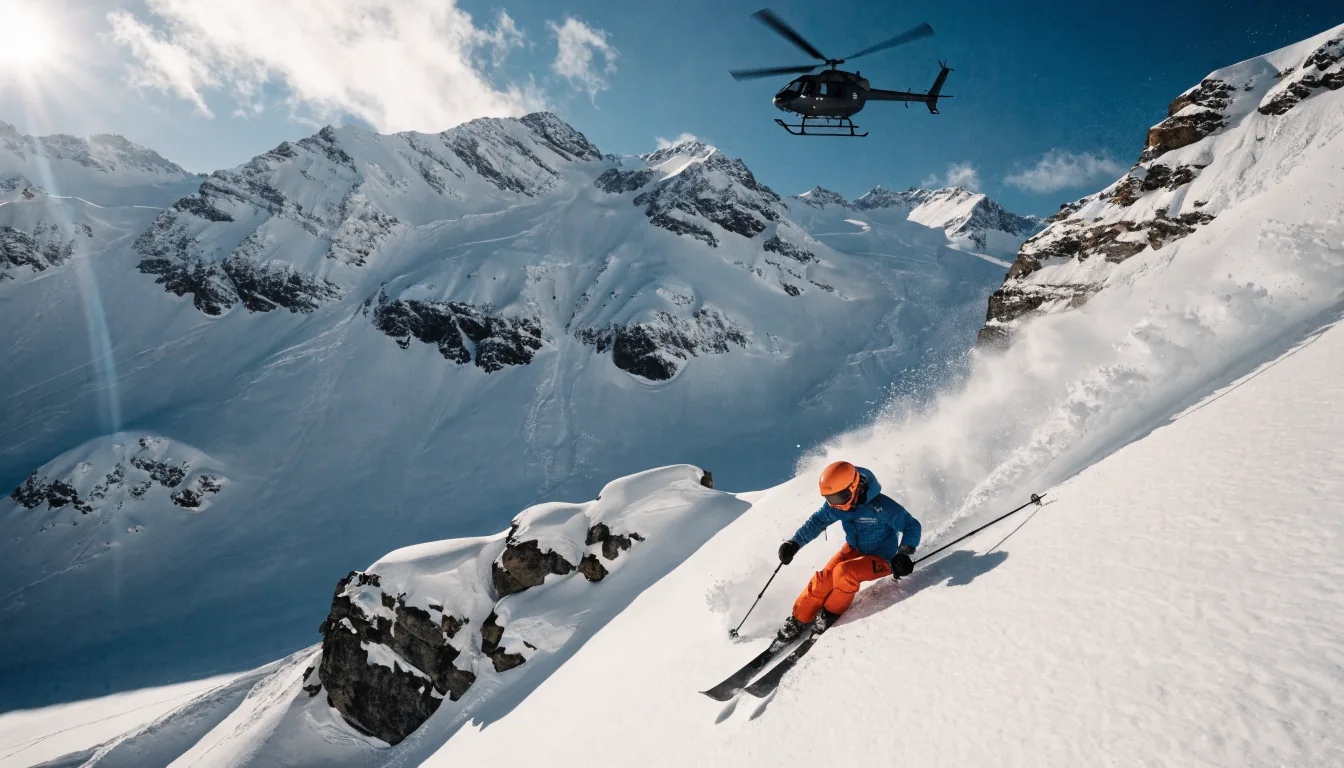
Heli-Skiing
Access untouched powder on remote mountain faces. Experience the ultimate skiing adventure in Whistler.
Learn more →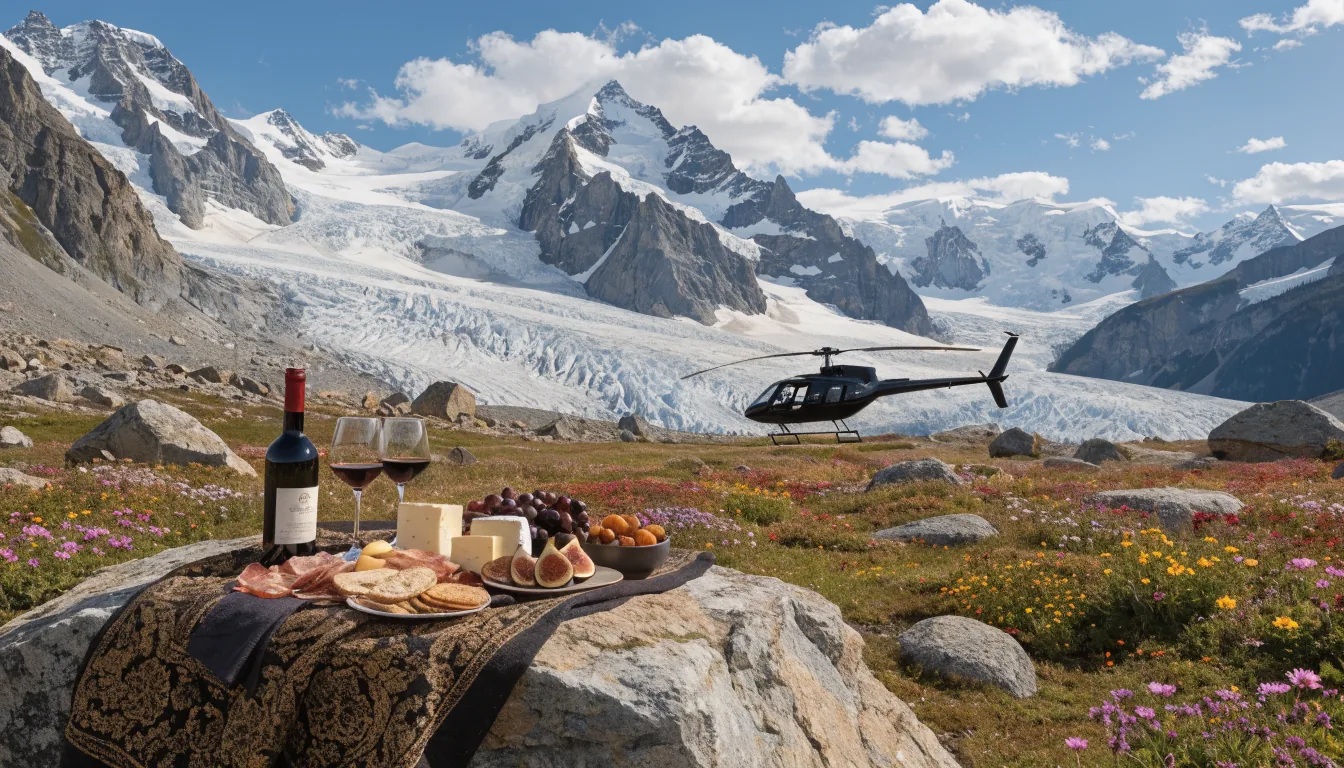
Alpine Picnic
Dine on a glacier or alpine meadow with gourmet cuisine. Combine with an ice cave tour for the ultimate mountain day.
Learn more →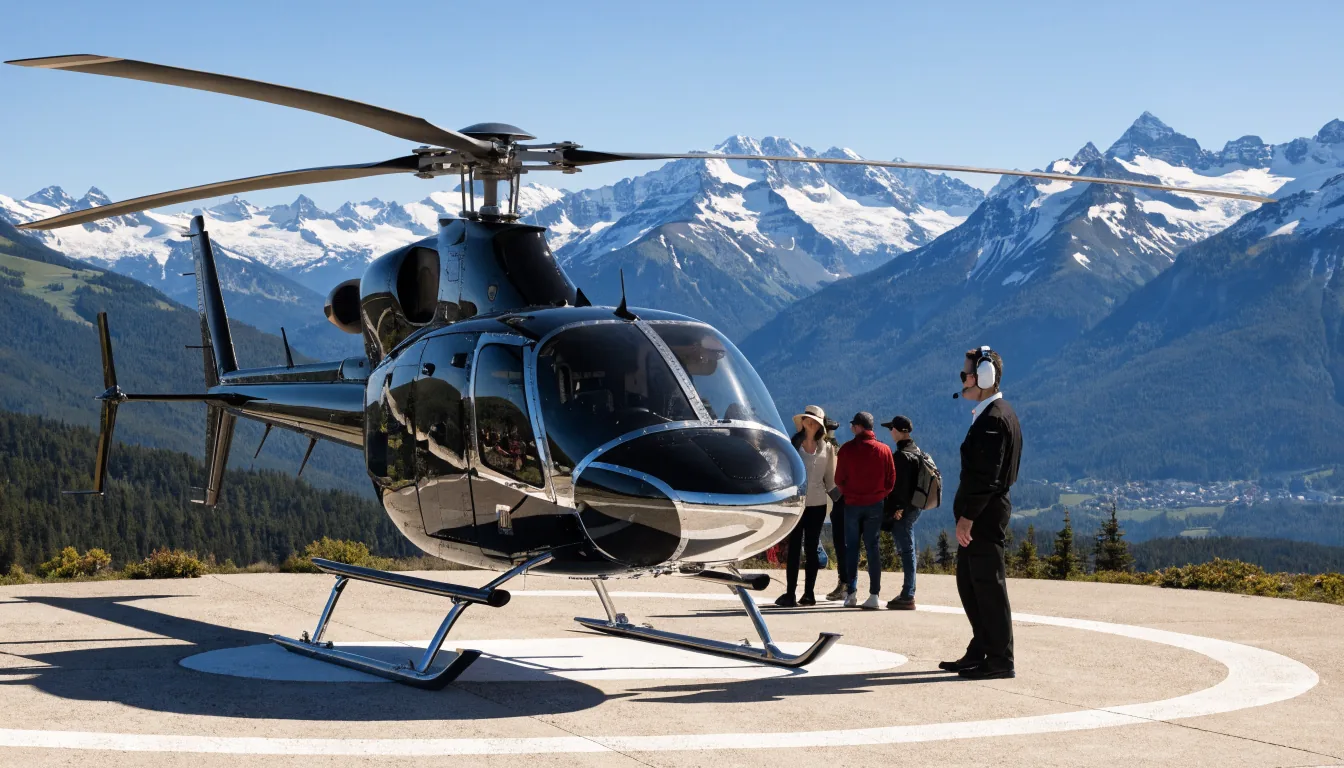
Prices & Packages
View pricing for ice cave tours and all our helicopter experiences. Group discounts and custom packages available.
View prices →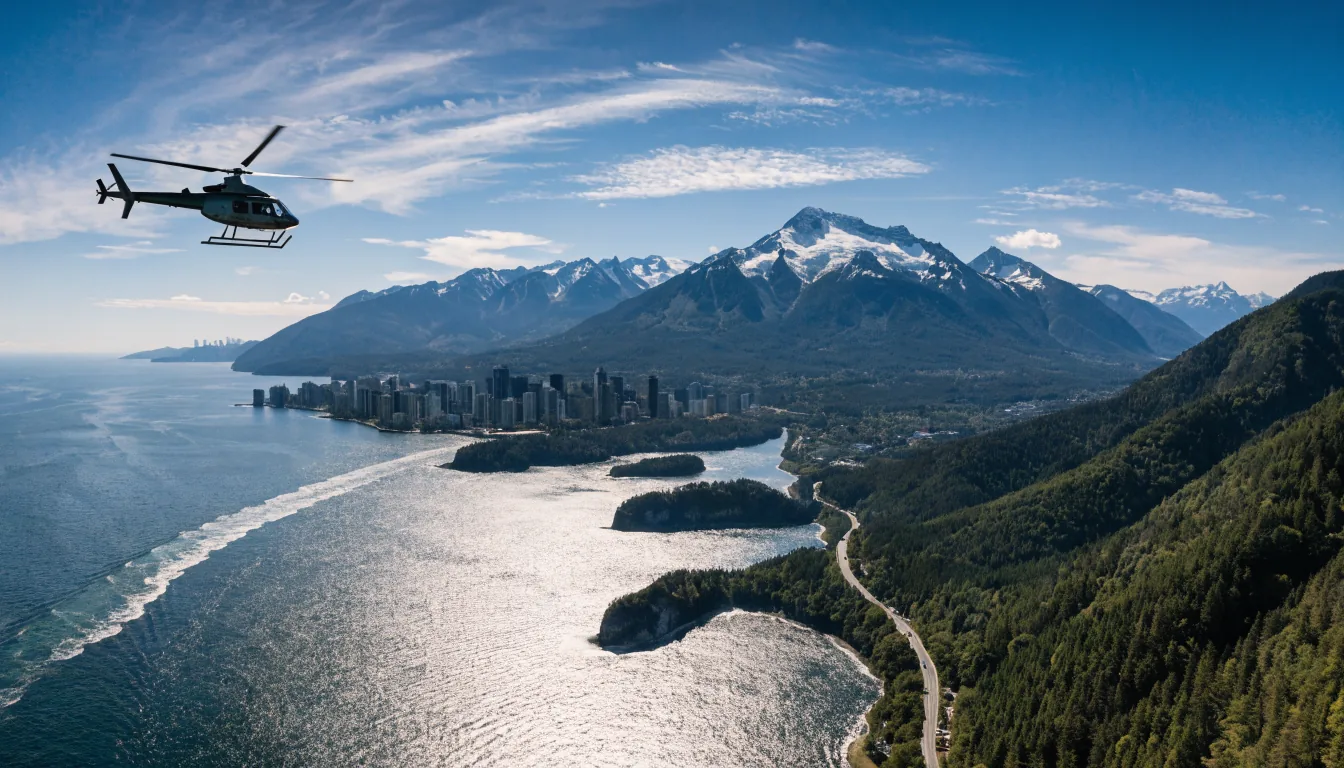
Vancouver to Whistler
Arrive in Whistler by helicopter from downtown Vancouver. Combine your transfer with an ice cave tour.
Learn more →Frequently Asked Questions
How safe are ice cave tours?
What happens if the weather is bad on my scheduled day?
Can I combine an ice cave tour with other experiences?
Ready to Explore Whistler's Ice Caves?
Book your ice cave helicopter tour and experience one of the most unique adventures in British Columbia. Limited availability during peak season—reserve your spot today.