
Glacier Helicopter Tour in Whistler
Fly over ancient glaciers, land on ice fields, and witness the Coast Mountains from perspectives few ever see.
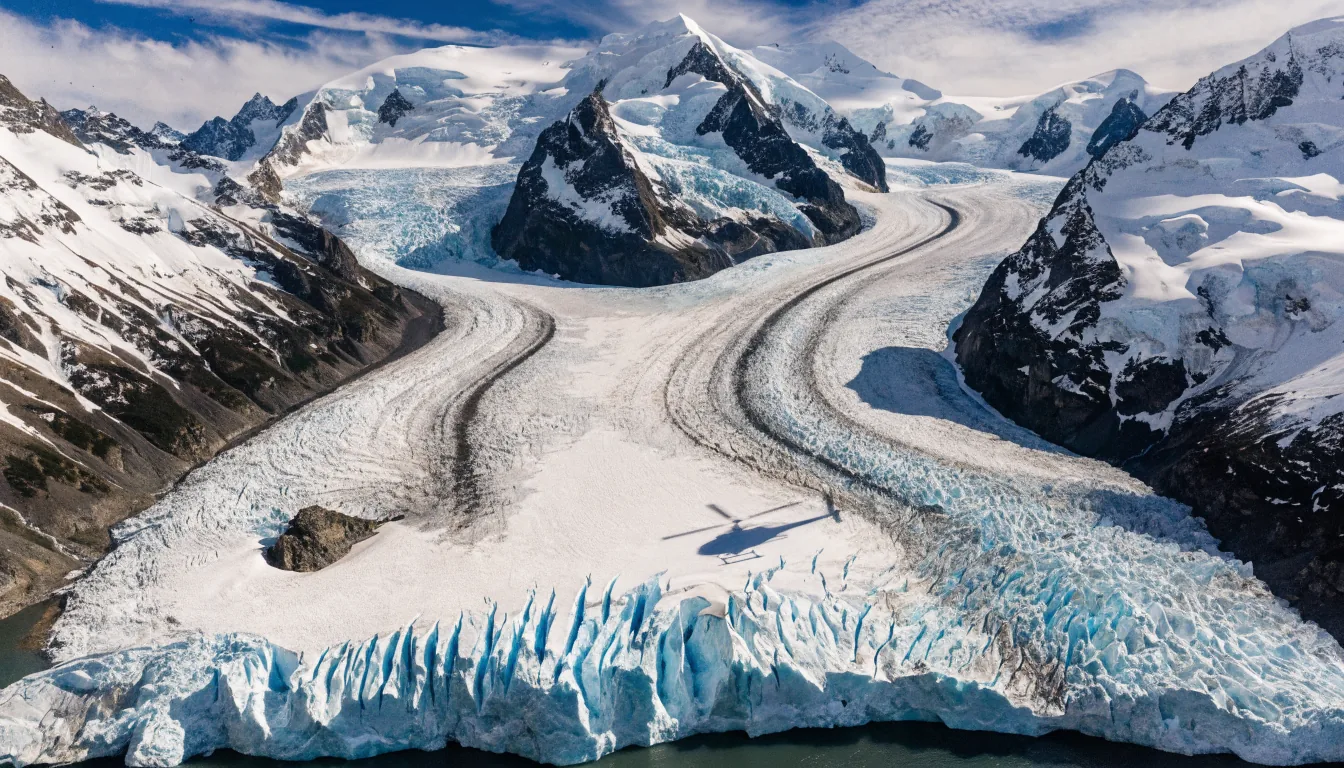
A glacier helicopter tour in Whistler is one of the most spectacular experiences you can have in British Columbia. You'll fly over ancient ice fields that have been shaping these mountains for thousands of years, land on glaciers that few people ever set foot on, and witness views that are simply impossible to see from the ground. This is one of our most popular tours, combining breathtaking scenery with the thrill of landing on a glacier and exploring a truly remote alpine environment.
An Unforgettable Scenic Flight
Your glacier tour begins with a scenic flight from our Whistler helipad. As you lift off, you'll immediately see why helicopter tours offer perspectives that ground-based activities simply cannot match. The helicopter climbs quickly, giving you a bird's-eye view of Whistler Village, the ski slopes, and the surrounding valleys. Within minutes, you're flying over terrain that's inaccessible by any other means.
The flight route takes you over alpine forests, glacial valleys, and snowcapped peaks. Your pilot will provide commentary through your headset, pointing out landmarks, explaining the geology, and sharing stories about the mountains. You'll see the dramatic contrast between the developed resort below and the untouched wilderness above—a reminder of how vast and wild the Coast Mountains truly are.
As you approach the glaciers, the landscape changes dramatically. The ice fields stretch out below you, their surfaces marked by crevasses, seracs, and the blue-white color that only glacial ice can have. The scale is difficult to comprehend from the ground, but from the air, you can see how these glaciers flow down from the peaks, carving valleys and shaping the entire region.
Landing on a Glacier
The highlight of any glacier tour is the landing. Our pilots are experts at finding safe, stable landing sites on glacier surfaces. These locations are carefully selected based on conditions, weather, and safety considerations. Safety is always our top priority, and we'll only land when conditions are perfect.
When you step out of the helicopter onto the glacier, you're stepping into an environment that's unlike anything else. The ice beneath your feet is ancient—some of it may have fallen as snow hundreds or thousands of years ago. The surface can be smooth and hard, or it can be textured with ridges and patterns created by the glacier's movement. The air is crisp and clean, and the silence is profound—you're truly in a remote wilderness.
Ground time on the glacier typically lasts 20 to 30 minutes, giving you plenty of time to:
- Walk around and explore the glacier surface safely
- Take photographs of the incredible views
- Learn about glaciers from your pilot
- Experience the unique environment of a high-altitude ice field
- Simply stand and take in the vastness of the mountains
Your pilot will guide you on safe areas to walk and will explain what you're seeing. They'll point out features like crevasses (which you'll stay well away from), seracs (ice towers), and the direction of the glacier's flow. This is a rare opportunity to experience a glacier up close, and it's an experience that stays with people for a lifetime.
Fitzsimmons Glacier and Overlord Glacier
Whistler is home to several major glaciers, and our tours typically visit the Fitzsimmons Glacier or the Overlord Glacier. Both offer spectacular experiences, though each has its own character:
- Fitzsimmons Glacier: This glacier flows between Whistler and Blackcomb mountains, making it easily accessible and offering views of both peaks. It's one of the most photographed glaciers in the region and provides a relatively flat, stable landing area. The views from Fitzsimmons include the ski resort below, surrounding peaks, and the vast expanse of the Coast Mountains.
- Overlord Glacier: Located in the backcountry beyond the resort boundaries, Overlord Glacier offers a more remote, wilderness experience. The views here are more dramatic, with fewer signs of human development. This glacier is larger and more complex, with more varied terrain and features to explore.
The specific glacier you visit depends on weather conditions, season, and safety considerations. Our pilots make the final decision on the day, always prioritizing safety while ensuring you have the best possible experience. Both glaciers offer incredible experiences, and many guests are surprised by how different each landing feels.
What You'll See on Your Tour
A glacier helicopter tour offers views and experiences that are impossible to get any other way. Here's what you can expect to see:
- Glacial Ice Formations: Crevasses, seracs, icefalls, and the unique blue-white color of compressed glacial ice. These formations are created by the glacier's movement and the pressure of thousands of years of snow accumulation.
- Mountain Peaks: Views of Whistler, Blackcomb, and surrounding peaks from angles you've never seen before. From the air, you can see the full scale of these mountains and understand their relationship to each other.
- Alpine Valleys: Glacial valleys carved by ice over millennia, now filled with forests, rivers, and alpine meadows. The U-shaped valleys are a clear sign of past glacial activity.
- Remote Wilderness: Terrain that's completely inaccessible by road or trail. You'll see areas that few people ever visit, creating a sense of true adventure and exploration.
- Wildlife: On clear days, you might spot mountain goats, eagles, or other alpine wildlife. The helicopter's perspective makes it easier to spot animals that blend into the terrain from ground level.
- Weather Patterns: The way clouds form around peaks, how sunlight plays across ice and snow, and the dramatic changes in weather that are common at high altitude.
Every tour is different, and weather conditions can dramatically change what you see. On clear days, views can stretch for miles, while on days with some cloud cover, you might experience the dramatic effect of flying through or above clouds. Both conditions offer unique and beautiful experiences.
Tour Duration and Timing
A typical glacier tour lasts approximately 45 to 60 minutes, including:
- 15 minutes: Check-in, safety briefing, and boarding at the helipad
- 15-20 minutes: Scenic flight to the glacier
- 20-30 minutes: Ground time on the glacier for exploration and photography
- 15-20 minutes: Return flight with a different route to show new terrain
Extended tours are available for those who want more flight time, multiple landings, or additional exploration. Some tours combine glacier landings with other activities, such as a gourmet alpine picnic or exploration of ice caves.
Timing can be customized based on your preferences. Morning flights often offer the clearest conditions and best light for photography. Afternoon flights can provide warmer temperatures and different lighting conditions. Sunset tours are available during certain seasons and offer particularly dramatic views, though they're weather-dependent.
Best Time of Year for Glacier Tours
Glacier tours are available year-round, but each season offers a different experience:
- Summer (June to September): This is the most popular season for glacier tours. Long days, warm temperatures, and generally clear weather make summer ideal. The glaciers are accessible, and you can spend comfortable time on the ice. This is also the best season for combining tours with other activities like picnics or extended exploration.
- Winter (December to April): Winter tours offer a completely different experience. The glaciers are covered in fresh snow, creating a pristine, magical landscape. The contrast between white snow and blue ice is stunning. However, weather can be more unpredictable, and some locations may be inaccessible due to conditions.
- Spring (May to June): Spring offers a transition period with melting snow creating unique patterns on the glaciers. The weather is generally good, and crowds are smaller than summer. This is a great time for photography, as the changing conditions create interesting textures and colors.
- Autumn (September to November): Fall colors in the alpine create a beautiful backdrop for glacier tours. The weather is still generally good, and the smaller crowds make for a more intimate experience. The lower sun angle creates dramatic lighting conditions.
We recommend booking at least two to three weeks in advance for summer tours, as dates fill quickly. For other seasons, one to two weeks is usually sufficient. Weather-dependent rescheduling is always available at no extra charge if conditions make flying unsafe.
Photography Tips for Glacier Tours
Glacier tours offer incredible photography opportunities, but the conditions can be challenging. Here are some tips to help you capture the best images:
- Bring extra batteries: Cold temperatures drain batteries quickly. Bring spares and keep them warm in an inside pocket.
- Protect your equipment: The combination of cold, altitude, and potential moisture can be hard on cameras. Bring protection for your gear and be prepared for changing conditions.
- Use a polarizing filter: A polarizing filter can help reduce glare from ice and snow, making colors more vibrant and improving contrast.
- Shoot in RAW: RAW files give you more flexibility in post-processing, which is especially important when dealing with the high contrast of snow and ice.
- Look for details: While the big views are spectacular, don't forget to capture details like ice textures, patterns in the snow, and the unique features of the glacier surface.
- Include people for scale: Photographs of people on the glacier help convey the immense scale of the environment.
- Shoot from the helicopter: Some of the best photos come from the air. Keep your camera ready during the flight, as opportunities appear quickly.
Our pilots are experienced with photography and will help position the helicopter for the best angles. They'll also point out particularly photogenic features and can adjust flight paths to accommodate photography requests when safe to do so.
What to Wear for a Glacier Tour
Proper clothing is essential for comfort and safety on a glacier tour. Even in summer, temperatures drop significantly at altitude, and conditions can change quickly. Here's what we recommend:
- Layered clothing: Wear multiple layers that you can add or remove as conditions change. Start with a moisture-wicking base layer, add insulation, and finish with a windproof and waterproof outer layer.
- Warm jacket: Even in summer, bring a warm jacket. Temperatures on glaciers can be 10-15 degrees Celsius colder than in Whistler Village.
- Sturdy, closed-toe shoes: You'll be walking on ice, which can be slippery. Wear shoes with good traction and ankle support. Hiking boots are ideal.
- Gloves and hat: Your extremities get cold quickly at altitude. Bring warm gloves and a hat, even in summer.
- Sunglasses: The combination of bright sun and reflective snow and ice can be intense. Bring quality sunglasses with UV protection.
- Sunscreen: UV radiation is stronger at altitude, and snow and ice reflect sunlight. Apply sunscreen to all exposed skin.
We'll provide a detailed clothing list when you book, and our team can answer any questions about what to bring. It's always better to be over-prepared than under-prepared for mountain conditions.
Family-Friendly Glacier Tours
Glacier tours are suitable for families, though there are some considerations for children:
- Age recommendations: Children as young as 3-4 years old can participate, though they must be able to sit safely in the helicopter and follow safety instructions. Very young children may find the experience overwhelming.
- Safety considerations: Children must be able to understand and follow safety instructions. They'll need to stay close to adults on the glacier and avoid dangerous areas like crevasses.
- Clothing: Children need the same warm, layered clothing as adults. It's especially important to keep children warm, as they lose body heat more quickly than adults.
- Educational value: Glacier tours are incredibly educational for children. They'll learn about glaciers, mountains, and the natural world in a way that's both exciting and memorable.
Our pilots are experienced with families and will adjust their commentary and approach to be appropriate for children. Many families tell us that the glacier tour was the highlight of their entire trip to Whistler, and children often remember it for years to come.
Accessibility and Physical Requirements
Glacier tours are accessible to most people, but there are some physical considerations:
- Mobility: You'll need to be able to get in and out of the helicopter, which requires stepping up and down. The helicopter floor is about knee-height for most people.
- Walking on ice: Glacier surfaces can be slippery and uneven. You'll need to be able to walk carefully on potentially slippery terrain. Our pilots will guide you to the safest areas.
- Altitude: Glacier landings are at high altitude (typically 6,000-8,000 feet). Most people handle this well, but those with respiratory or cardiac conditions should consult their doctor before booking.
- Weight restrictions: Helicopters have weight limits for safety. We'll discuss weight requirements when you book to ensure everyone can participate safely.
If you have specific accessibility needs or concerns, please discuss them with us when booking. We want everyone to be able to enjoy this incredible experience, and we'll work with you to find solutions that accommodate your needs.
Related Experiences
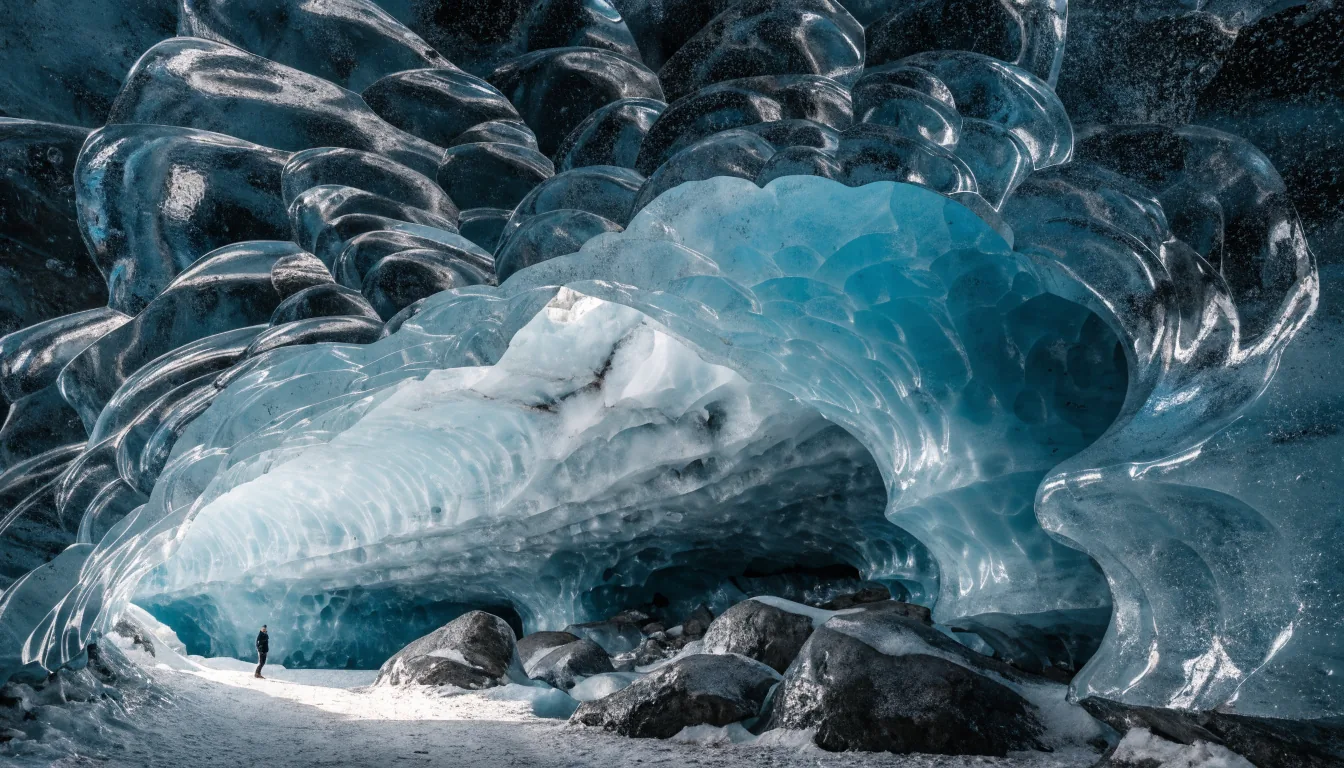
Ice Cave Tour
Venture inside stunning blue ice caves hidden beneath Whistler's glaciers. A rare and unforgettable experience.
Learn more →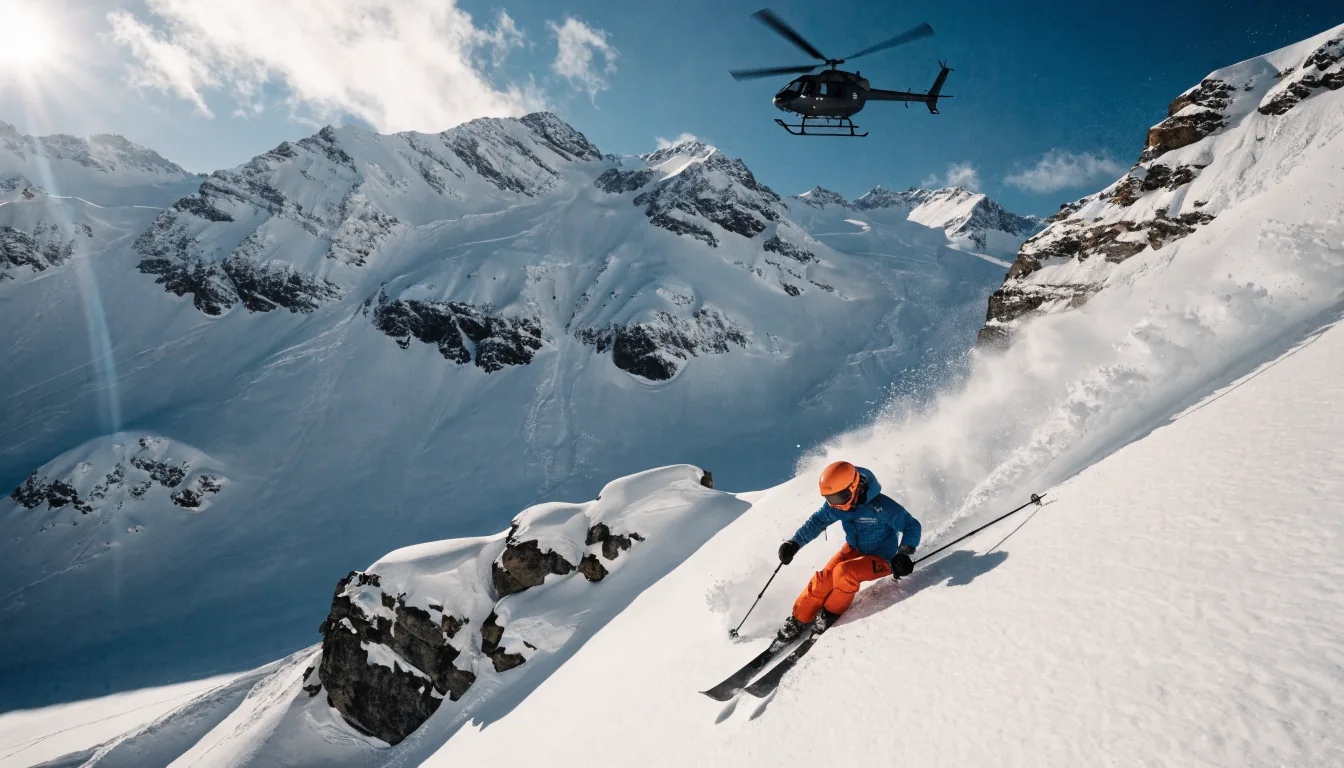
Heli-Skiing
Access untouched powder on remote mountain faces. The ultimate skiing experience for advanced and intermediate riders.
Learn more →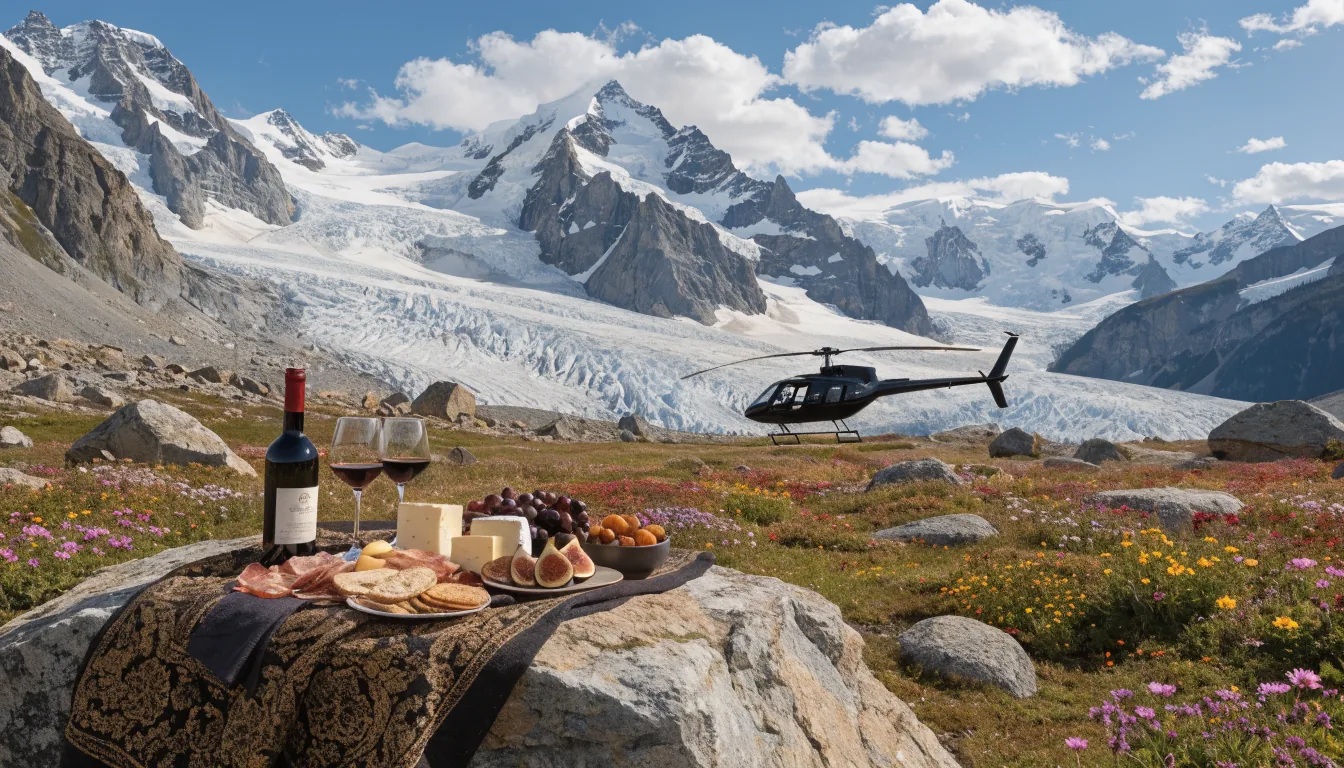
Alpine Picnic
Extend your glacier tour with a gourmet alpine picnic prepared by Whistler's top chefs.
Learn more →Frequently Asked Questions
Is it safe to land on a glacier?
What happens if the weather is bad on my scheduled tour day?
Can children participate in glacier tours?
Ready to Experience Whistler's Glaciers?
Book your glacier helicopter tour and witness the Coast Mountains from perspectives few ever see. Land on ancient ice fields and explore a truly remote alpine environment.